Indication

Neulasta® (pegfilgrastim) is indicated to decrease the incidence of infection, as manifested by febrile neutropenia, in patients with nonmyeloid malignancies receiving myelosuppressive anti-cancer drugs associated with a clinically significant incidence of... Read More

Neulasta® (pegfilgrastim) is indicated to decrease the incidence of infection, as manifested by febrile neutropenia, in patients with nonmyeloid malignancies receiving myelosuppressive anti-cancer drugs associated with a clinically significant incidence of febrile neutropenia... Read More

You are going to a website that contains clinical information and was created specifically for patients. If you are not a patient and would like to return to the healthcare professional site, please click CANCEL.

Febrile neutropenia (FN) protection preferred by HCPs

What your peers and patients think

9 of 10

More than 9 out of 10 HCPs agreed that Onpro® helped maintain their patients’ treatment plan during COVID-191

90 Percent

90% of HCPs say they would use Onpro® over a G-CSF prefilled syringe post-COVID-191

7 of 10

7 out of 10 HCPs believe some of their patients would have missed their G-CSF dose if Onpro® had not been available1

90 Percent

90% of HCPs believe patients will feel better protected with Onpro® over a G-CSF prefilled syringe post-COVID-191

Study Design and Limitation1
  • From an online survey conducted during July 2020 on G-CSF use and the impact of COVID-19 on treatment plans (n = 200 HCPs; 100 oncologists and 100 oncology nurses)
  • HCPs were recruited into the study from a market research panel. Participants were screened and met minimum requirements for treating cancer patients with chemotherapy (≥ 50 patients/month for oncologists; ≥ 30 patients/month for oncology nurses), use of long acting G-CSFs (≥ 10 long-acting G-CSF patients/month) and used Onpro® (≥ 1 Onpro® patient/month) within the previous month
  • Participants could not have worked in an outpatient oncology clinic owned by Kaiser Permanente or the Veterans’ Administration, or be a consultant or employee of a pharma/ biotech company/healthcare company/government agency/advertising agency
  • The results of this study represent the opinions of the HCP participants recruited to participate, not actual treatment behaviors among oncology HCPs

FN = febrile neutropenia; HCP = healthcare professional; G-CSF = granulocyte colony-stimulating factor.


Neulasta® Onpro® is patient- and nurse-chosen protection*

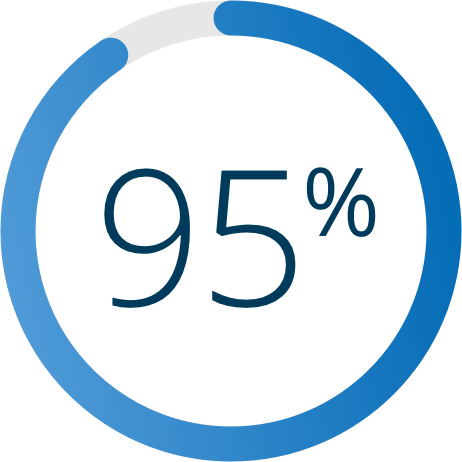
95% of patients and nurses would choose Neulasta Onpro again

of patients and nurses would choose Neulasta® Onpro® again2,3,†,‡

Not having to return to the doctor’s office the day after chemotherapy just for an injection was the most important factor for patients when choosing a G-CSF2,§

Patients also valued how much experience their doctor has with the G-CSF they would receive and being informed by the doctor or nurse of all available ways to receive the G-CSF2

The National Comprehensive Cancer Network® (NCCN®) recognizes the on-body injector as an appropriate option for delivering the full dose of pegfilgrastim (Neulasta®) the day after chemotherapy4

*In a key study of 928 patients with breast cancer, when given once every chemotherapy cycle, 17% of patients got infections when not treated with Neulasta®—while only 1% of patients got infections when treated with Neulasta®.5

2016 data from interviews with oncology patients who have had experience with Neulasta® (N = 227, PFS n = 150, Neulasta® Onpro® n = 77). Patients who had received Neulasta® via Neulasta® Onpro® were asked to answer a survey.2

Data from interviews with oncology nurses (N = 250) conducted in October 2016. Respondents were asked if they agree with this statement: Based on my Neulasta® Onpro® experience, when my patients are appropriate for Neulasta® (PFS or Neulasta® Onpro®), I would choose Neulasta® Onpro® (Study Design 10).3

§November 2016 data from interviews with oncology patients who have had experience with Neulasta® (N = 227, PFS n = 150, Neulasta® Onpro® n = 77). Patients were asked a multiple-choice selection prompt.2

G-CSF = granulocyte colony-stimulating factor; PFS = prefilled syringe.

Choose Neulasta® Onpro® to help overcome next-day G-CSF delivery challenges

Car Icon
Struggle to get transportation

No caregiver and can’t get back to the healthcare facility*

Virus Icon
Exposure to viruses

Immunosuppressed patients may want to stay away from those with a viral infection6

Bus Icon
Scheduling conflicts

Family or work conflicts

Onpro Icon
Requests Neulasta® Onpro®

Specific requests from patients who don’t want to come back the next day

Calendar Icon
Holiday

Chemo a day before holiday closings

Weather Icon
Weather conditions

Such as a blizzard, could make driving hazardous

Friday Chemo Icon
Friday chemo

And the clinic is closed on Saturday

multiple days chemo
Multiple consecutive days of chemo

Chemo two days in a row and the patient doesn’t want to come back a third day every cycle

non-compliant
Non-compliant

Missed prefilled syringe appointment last cycle and/or didn’t receive injection next day

live far away
Live far away

Total time spent includes more than just driving time

Neulasta® Onpro® may be appropriate for all of your patients who:7
  • Are adults
  • Are comfortable following the Patient Instructions for Use
  • Do not have allergies to acrylics

*For patients with Onpro® applied on the abdomen. The back of the arm may only be used if there is a caregiver available to monitor the status of the on-body injector for Neulasta®.

G-CSF = granulocyte colony-stimulating factor.

Neulasta® Onpro® in practice

Hear two of your colleagues on prescribing Neulasta® Onpro® and incorporating it into their practices.

Dr. Kashif Ali
Dr. Dana Thompson

Incomplete doses have been reported with Neulasta® Onpro® due to device not performing as intended. This may increase risk of neutropenia, febrile neutropenia, and/or infection.

Important Safety Information

Contraindication
  • Neulasta® (pegfilgrastim) is contraindicated in patients with a history of serious allergic reactions to pegfilgrastim or filgrastim
  • Reactions have included anaphylaxis
Splenic Rupture
  • Splenic rupture, including fatal cases, can occur following the administration of Neulasta®
  • Evaluate for an enlarged or ruptured spleen in patients who report left upper abdominal or shoulder pain
Acute Respiratory Distress Syndrome (ARDS)
  • ARDS has occurred in patients receiving Neulasta®
  • Evaluate patients who develop a fever and lung infiltrates or respiratory distress after receiving Neulasta®
  • Discontinue Neulasta® in patients with ARDS
Serious Allergic Reactions
  • Serious allergic reactions, including anaphylaxis can occur in patients receiving Neulasta®
  • Majority of events occurred upon initial exposure and can recur within days after discontinuation of initial anti‐allergic treatment
  • Permanently discontinue Neulasta® in patients with serious allergic reactions
Allergies to Acrylics
  • On‐body injector (OBI) for Neulasta® uses acrylic adhesives
  • Patients who are allergic to acrylic adhesives may have a significant reaction
Use in Patients With Sickle Cell Disorders
  • In patients with sickle cell trait or disease, severe and sometimes fatal sickle cell crises can occur in patients receiving Neulasta®
  • Discontinue Neulasta® if sickle cell crisis occurs
Glomerulonephritis
  • Has occurred in patients receiving Neulasta®
  • Diagnoses based on azotemia, hematuria, proteinuria, and renal biopsy
  • Generally events resolved after dose reduction or discontinuation of Neulasta®
  • If suspected, evaluate for cause and if cause is likely, consider dose‐reduction or interruption of Neulasta®
Leukocytosis
  • Increased white blood cell counts of 100 x 109/L have been observed
  • Monitoring CBCs during Neulasta® therapy is recommended
Capillary Leak Syndrome (CLS)
  • CLS has been reported after G‐CSF administration, including Neulasta®
  • Characterized by hypotension, hypoalbuminemia, edema, and hemoconcentration
  • Episodes vary in frequency, severity, and may be life‐threatening if treatment is delayed
  • Patients with symptoms should be closely monitored and receive standard symptomatic treatment, which may include intensive care
Potential for Tumor Growth Stimulatory Effects on Malignant Cells
  • G‐CSF receptor has been found on tumor cell lines
  • The possibility that pegfilgrastim acts as a growth factor for any tumor type, including myeloid malignancies and myelodysplasia, diseases for which Neulasta® is not approved, cannot be excluded
Potential Device Failures
  • Missed or partial doses have been reported in patients receiving pegfilgrastim via the on‐body injector (OBI) due to the device not performing as intended
  • In the event of a missed or partial dose, patients may be at increased risk of events such as neutropenia, febrile neutropenia and/or infection than if the dose had been correctly delivered
  • Instruct patients to notify their healthcare professional immediately in order to determine the need for a replacement dose if they suspect that the device may not have performed as intended
Aortitis
  • Aortitis has been reported in patients receiving Neulasta®. It may occur as early as the first week after start of therapy
  • Manifestations may include generalized signs and symptoms such as fever, abdominal pain, malaise, back pain, and increased inflammatory markers (e.g., c-reactive protein and white blood cell count)
  • Consider aortitis in patients who develop these signs and symptoms without known etiology. Discontinue Neulasta® if aortitis is suspected
Nuclear Imaging
  • Increased hematopoietic activity of the bone marrow in response to growth factor therapy has been associated with transient positive bone imaging changes. This should be considered when interpreting bone imaging results
Most common adverse reactions
  • Bone pain
  • Pain in extremity

Please see Neulasta® full Prescribing Information.

Neulasta® Injection: 6 mg/0.6 mL in a single-dose prefilled syringe for manual use only.

Neulasta® Injection: 6 mg/0.6 mL in a single-dose prefilled syringe co-packaged with the on-body injector (OBI) for Neulasta® (Neulasta® Onpro® kit).

Special Instructions for the On‐body Injector (OBI) for Neulasta®

A healthcare provider must fill the on‐body injector (OBI) with Neulasta® using the co‐packaged prefilled syringe and then apply the OBI to the patient’s skin (abdomen or back of arm). The back of the arm may only be used if there is a caregiver available to monitor the status of the OBI. Approximately 27 hours after the OBI is applied to the patient’s skin, Neulasta® will be delivered over approximately 45 minutes. A healthcare provider may initiate administration with the OBI on the same day as the administration of cytotoxic chemotherapy, as long as the OBI delivers Neulasta® no less than 24 hours after the administration of cytotoxic chemotherapy.

The prefilled syringe co‐packaged in the Neulasta® Onpro® kit contains additional solution to compensate for liquid loss during delivery through the OBI. If this syringe is used for manual subcutaneous injection, the patient will receive an overdose. If the prefilled syringe for manual use is used with the OBI, the patient may receive less than the recommended dose.

Do not use the OBI to deliver any other drug product except the Neulasta® prefilled syringe co‐packaged with the OBI. Use of the OBI has not been studied in pediatric patients.

The OBI should be applied to intact, non‐irritated skin on the arm or abdomen.

A missed dose could occur due to an OBI failure or leakage. Instruct patients using the OBI to notify their healthcare professional immediately in order to determine the need for a replacement dose of pegfilgrastim if they suspect that the device may not have performed as intended. If the patient misses a dose, a new dose should be administered by single prefilled syringe for manual use as soon as possible after detection.

Review the Patient Information and Patient Instructions for Use with the patient and provide the instructions to the patient.

Refer to the Healthcare Provider Instructions for Use for the OBI for full administration information.

For any OBI problems, call Amgen at 1‐800‐772‐6436 or 1‐844‐MYNEULASTA (1‐844‐696‐3852).

References:

1. Data on file, Amgen; 2020. 2. Data on file, Amgen; 2017. 3. Data on file, Amgen; 2016. 4. Referenced with permission from the NCCN Clinical Practice Guidelines in Oncology (NCCN Guidelines®) for Myeloid Growth Factors V.2.2020. ©National Comprehensive Cancer Network, Inc. 2020. All rights reserved. Accessed October 23, 2020. To view the most recent and complete version of the guideline, go online to NCCN.org. NCCN makes no warranties of any kind whatsoever regarding their content, use or application and disclaims any responsibility for their application or use in any way. 5. Vogel CL, et al. J Clin Oncol. 2005;23:1178-1184. 6. American Cancer Society. Preventing Infections in People With Cancer. https://www.cancer.org/treatment/treatments-and-side-effects/physical-side-effects/infections/preventing-infections-in-people-with-cancer. Accessed October 23, 2020. 7. Neulasta® (pegfilgrastim) Prescribing Information, Amgen.